
Machine fleet
A comprehensive fleet of injection moulding machines from 20 to 3000 tonne, suited to parts of virtually any scale.
Family-owned injection moulding · Melbourne · Est. 1989
We're a family-run injection moulder that takes your product from sketch to pallet under one roof — no offshore freight gamble, no quality lottery, no chasing a factory eleven time zones away.
Quietly behind products you already know




What we make
Whether you're moulding a 40-gram clip or a 25-kilogram playhouse, the presses, the toolroom and the engineers are all here — so the answer to "can you make this?" is usually just yes.
A comprehensive fleet of injection moulding machines from 20 to 3000 tonne, suited to parts of virtually any scale.
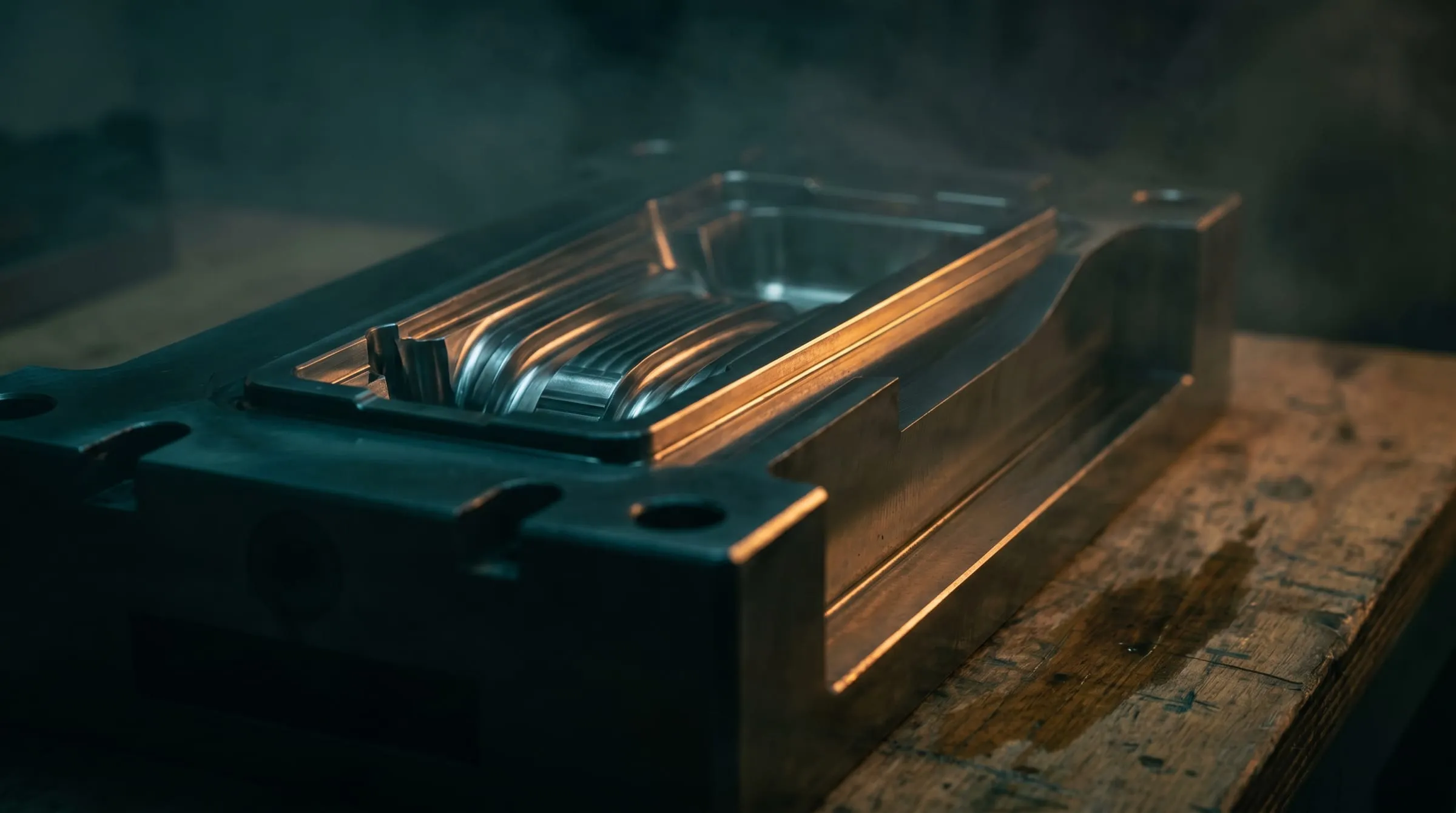
Production tooling designed, manufactured and trialled, then sampled and refined until every part runs to specification.
Single and multi-cavity moulds engineered around your target volumes, unit-cost objectives and quality requirements.
Local manufacturing keeps quoting, sampling and repeat production moving, with lead times measured in weeks.
PP, HDPE, ABS, nylon and engineering grades, including food-contact, UV-stabilised and recycled polymers.
Rigorous engineering review of every part, addressing cost, cavitation and cycle-time before tooling commences.
Ultrasonic welding, hot-stamping, labelling and kitting deliver finished components that arrive fully retail-ready.
On-site warehousing and scheduled call-off ensure stock is delivered precisely when your program requires it.
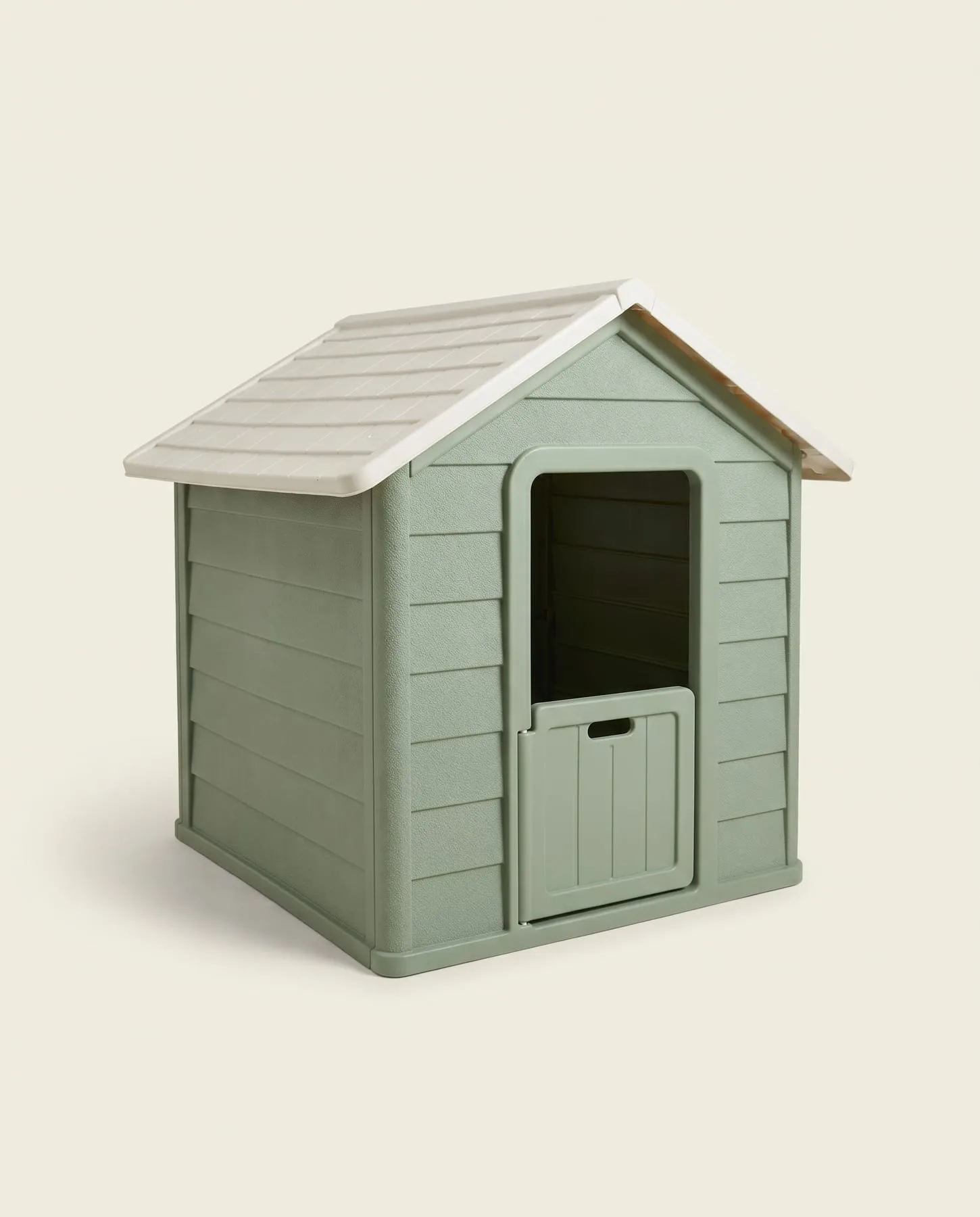
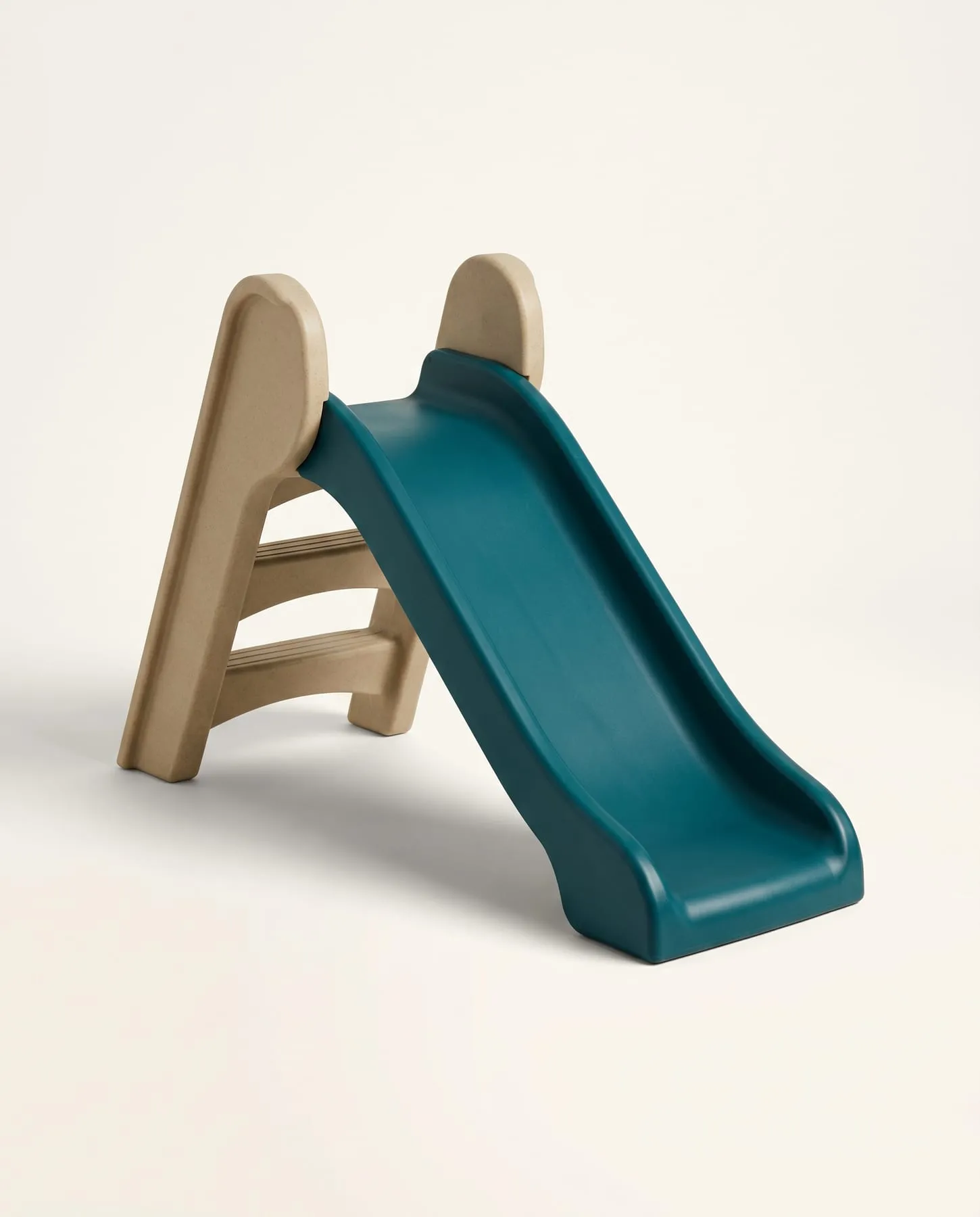
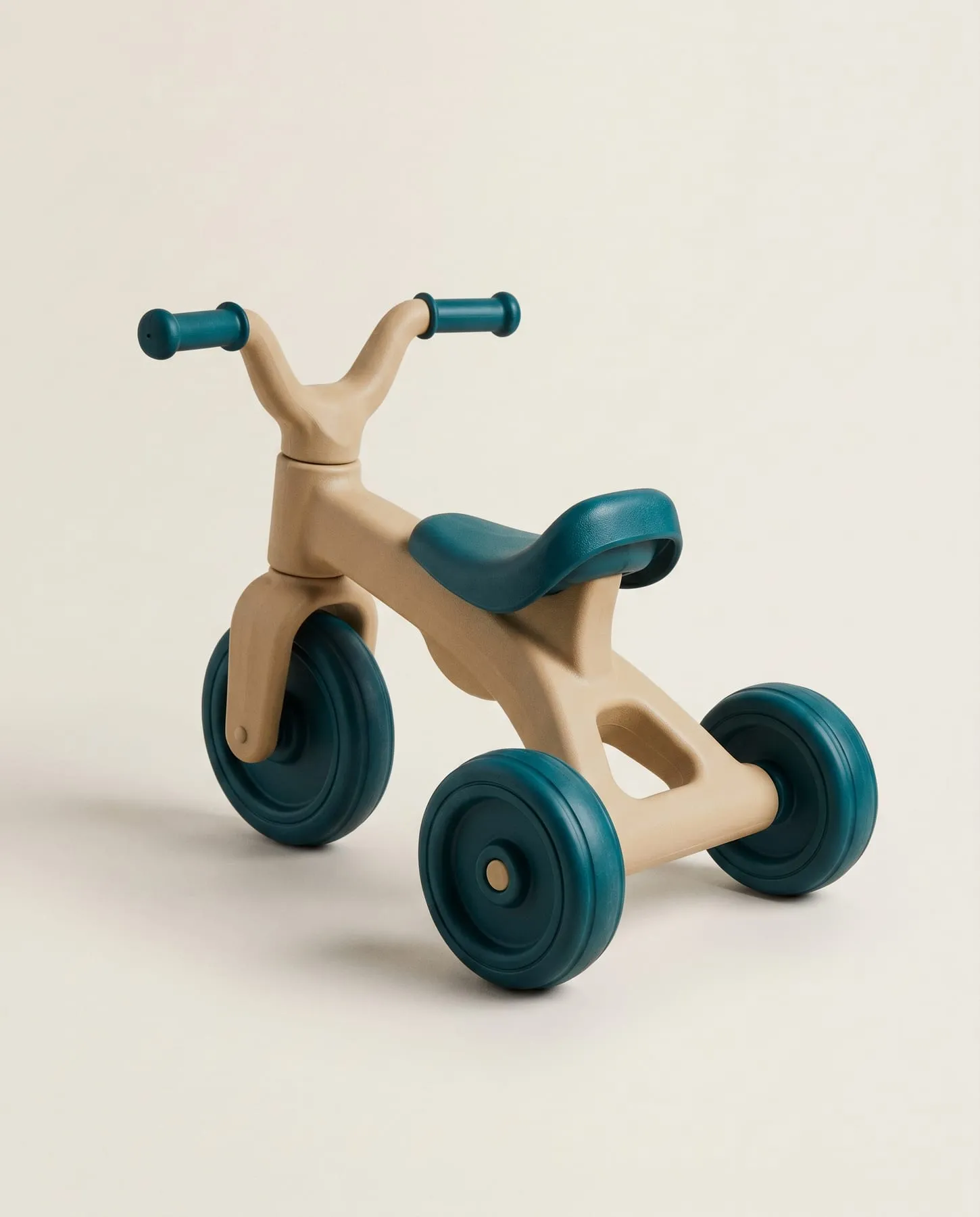
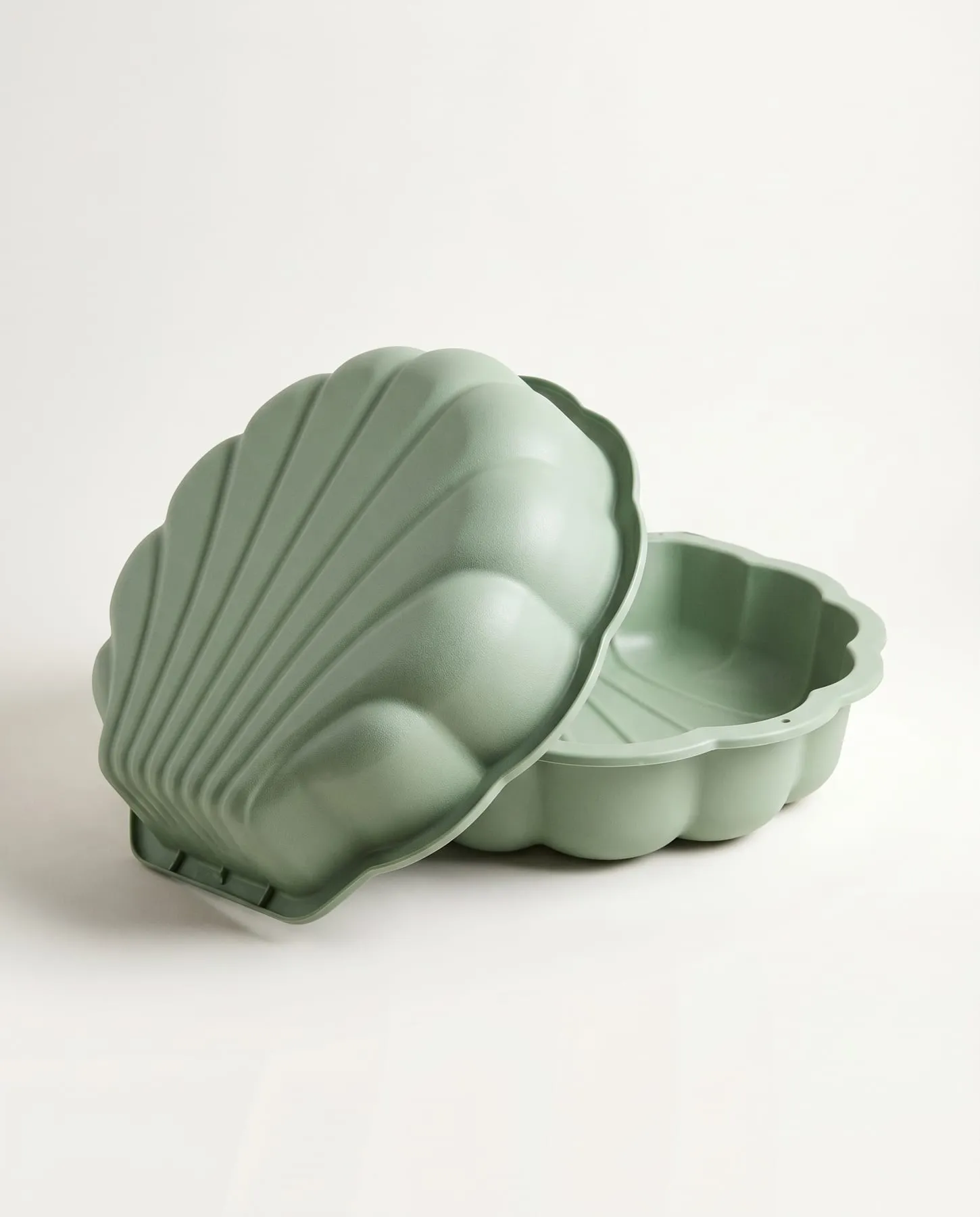
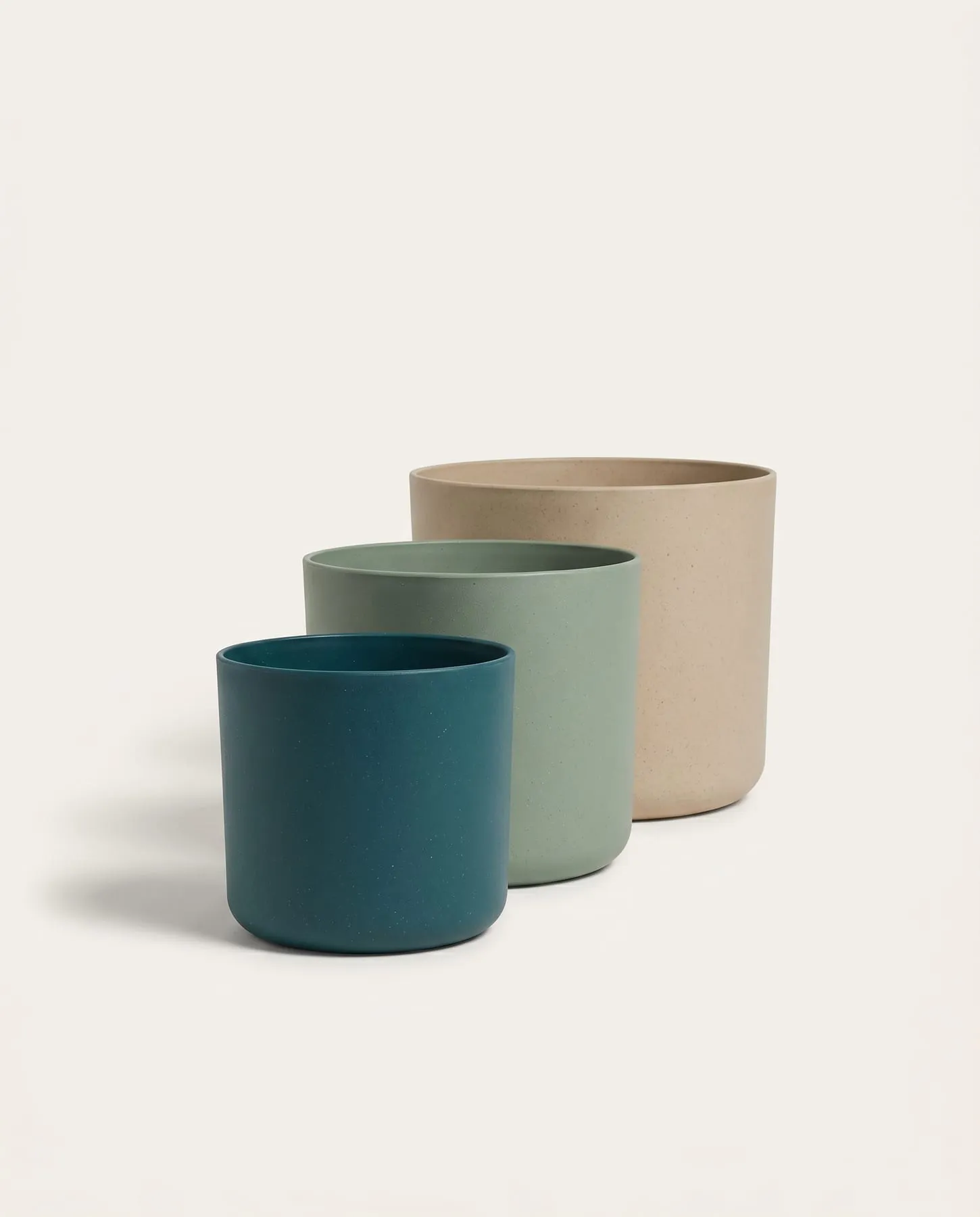
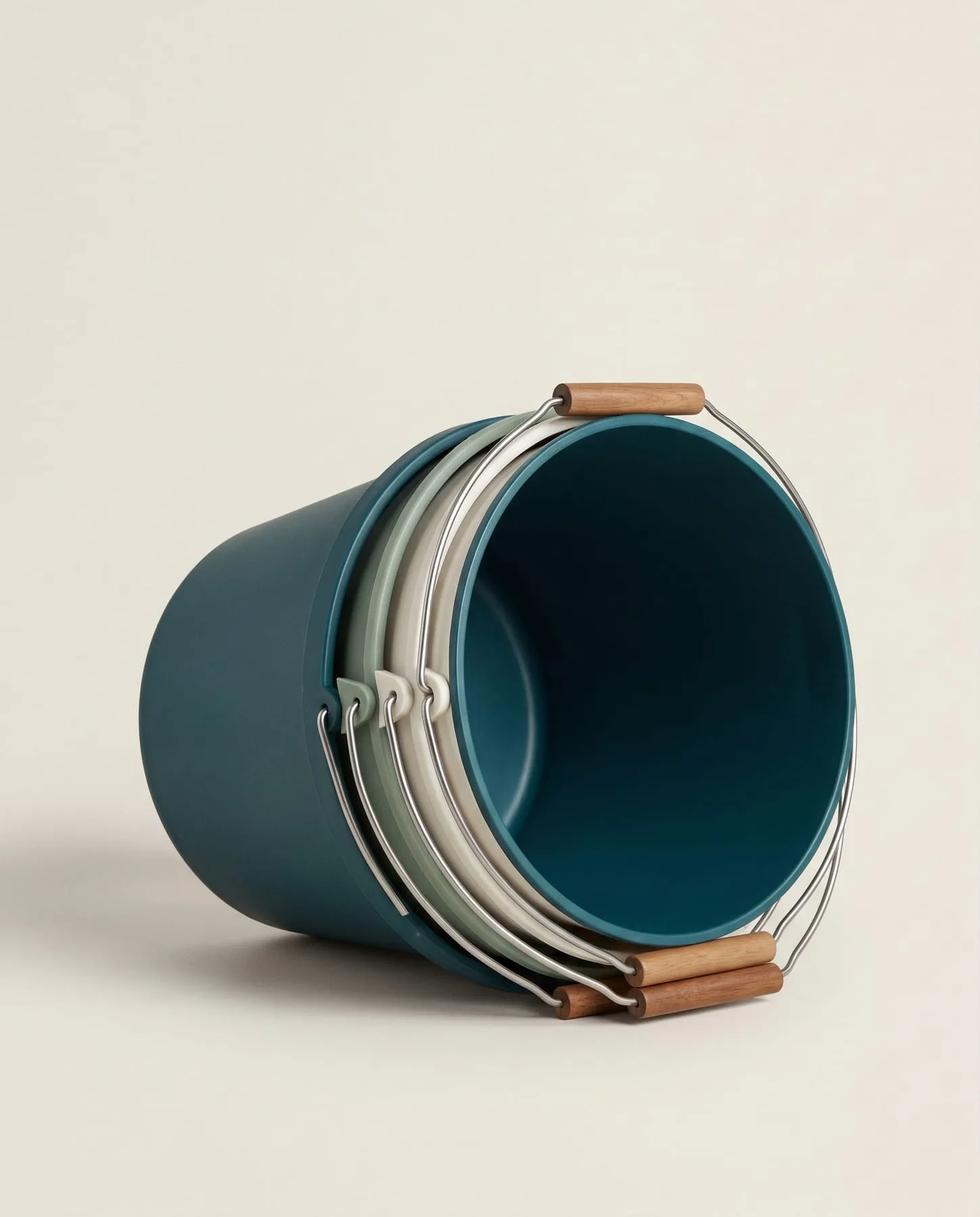
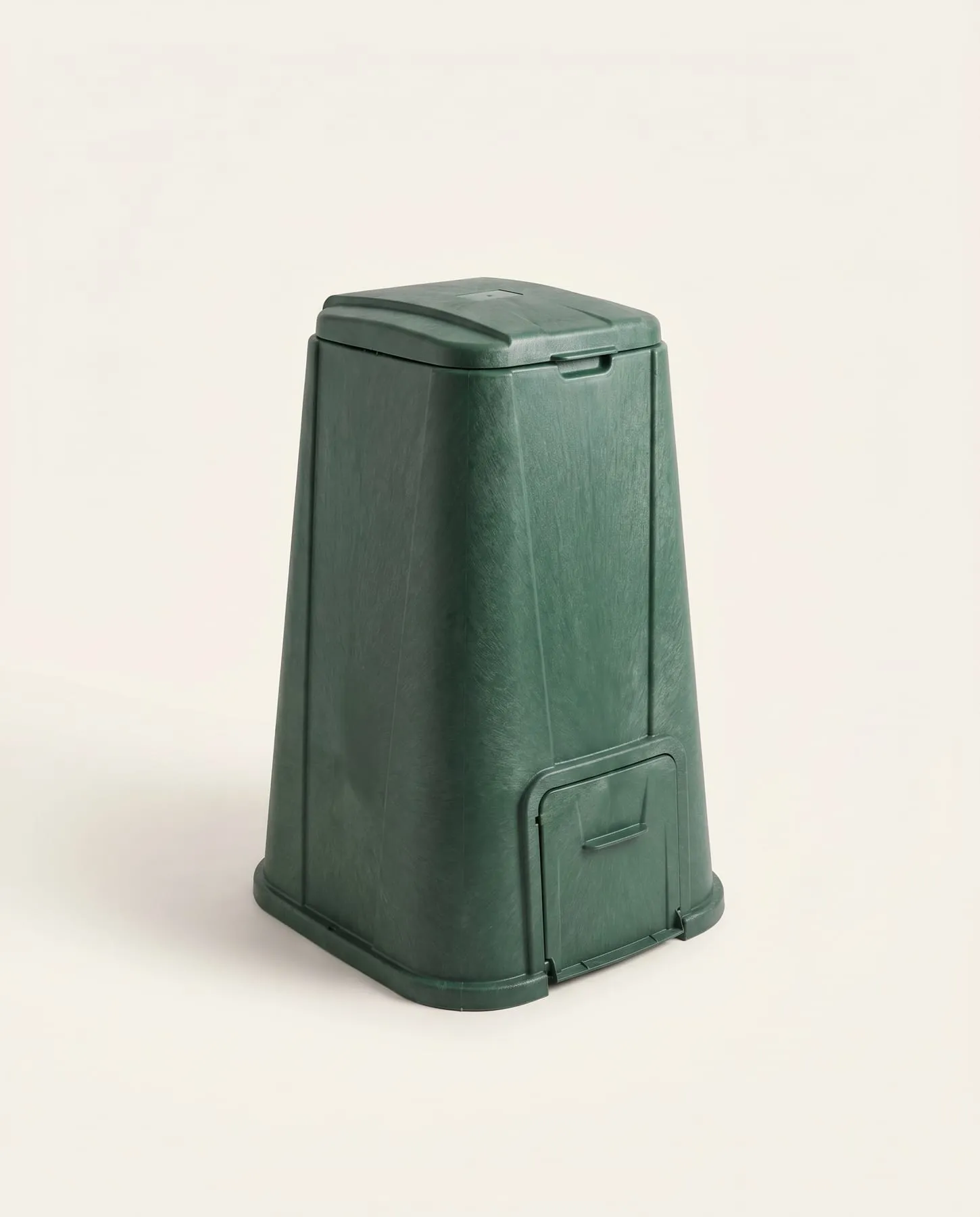
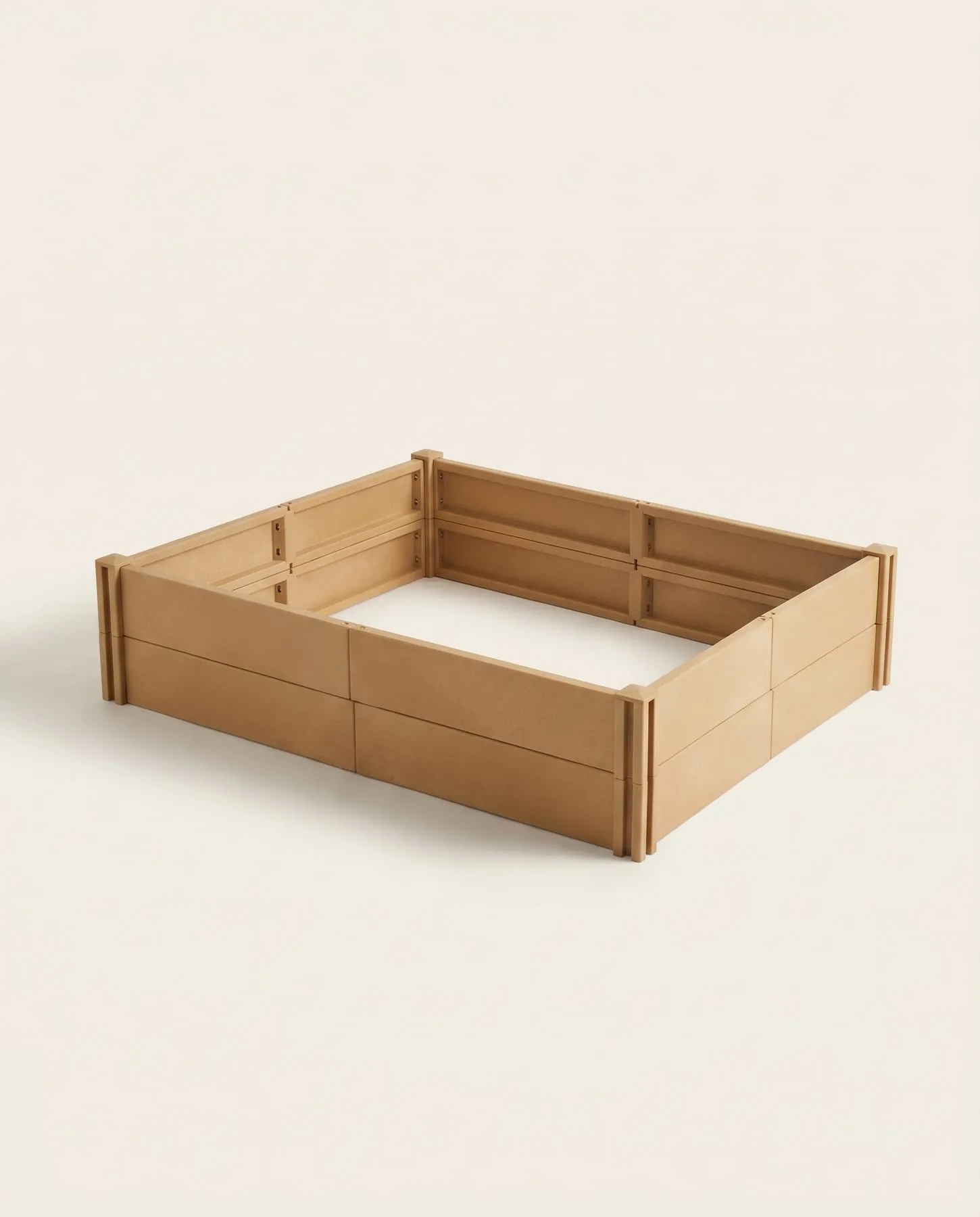
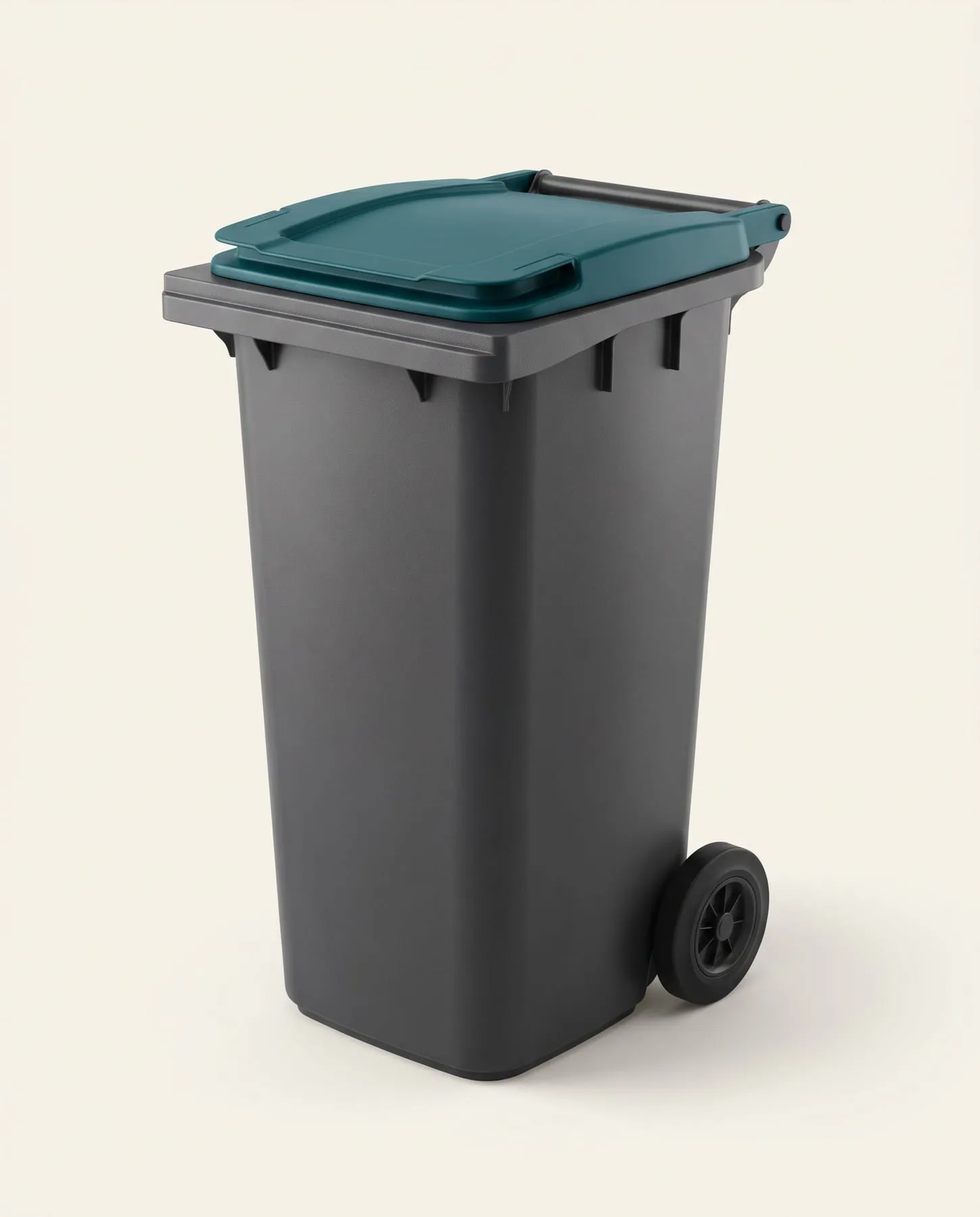
Chances are there's a Fountain part in your shed, your garden or your kids' backyard right now.
Why make it here
We get it — the unit price from overseas can look hard to argue with. But the sticker rarely tells the whole story. Here's what landing a product actually costs once you count the headaches.
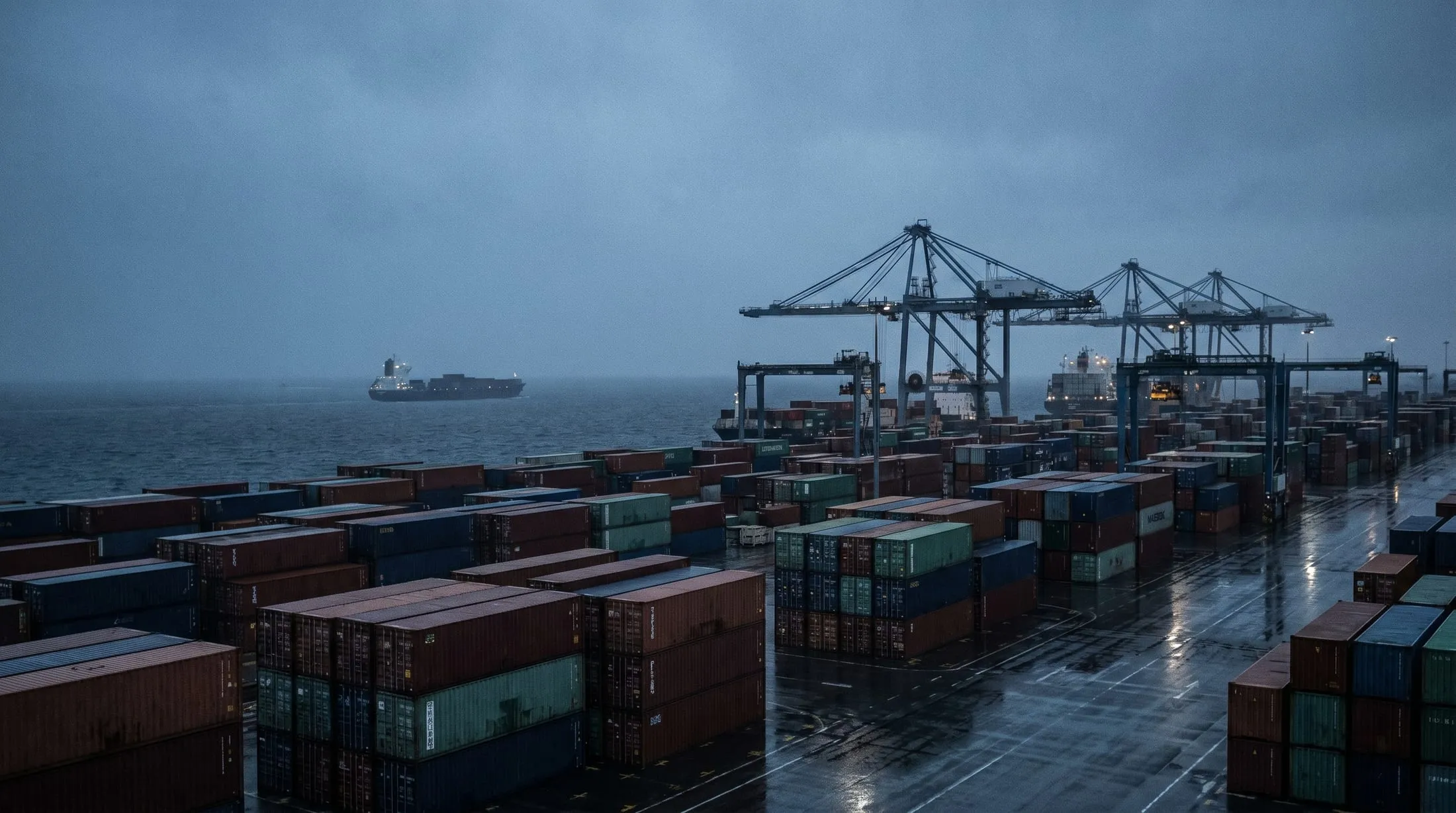
Buying offshore 8–12 weeks on the water, plus port delays and container costs that swing with the market.
Making it with Fountain Made down the road. Repeat runs ship in 2–3 weeks, not a quarter.
Buying offshore Huge MOQs that force you to tie up cash in stock you don't need yet.
Making it with Fountain Run sizes that match your real demand — scale up when you're ready.
Buying offshore A bad batch is discovered on arrival, and good luck getting it put right.
Making it with Fountain We're an hour away. Problems get sorted in person, on the same week.
Buying offshore Your mould lives on someone else's floor, in someone else's country.
Making it with Fountain You own the tool. It stays here, documented and insured, and it's yours to move.
Why Fountain
Fountain has been family-owned since 1989. The person who quotes your job is the person who'll still pick up the phone in year three. We're big enough to run your national program and small enough to actually care how it turns out.
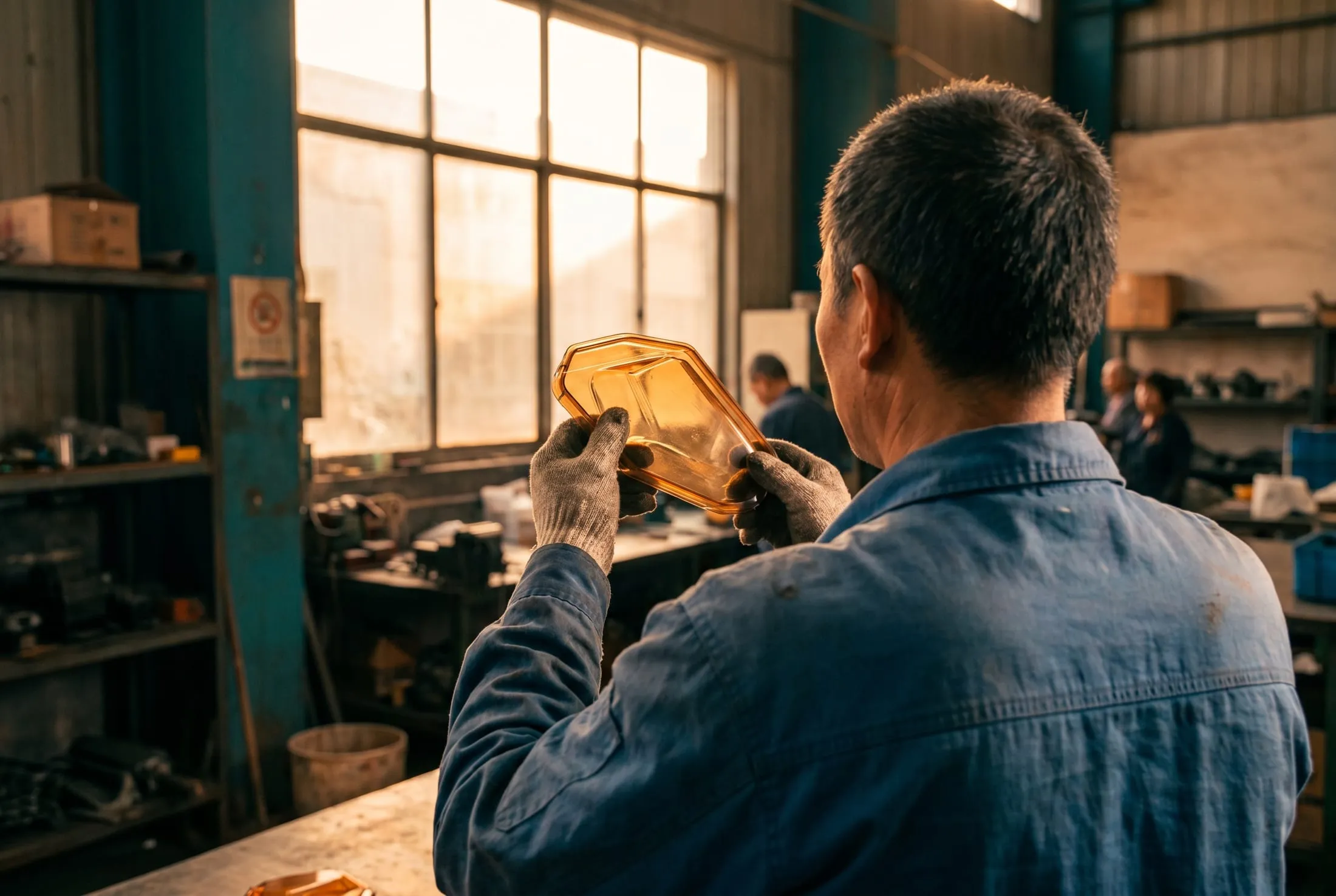
Design, tooling, moulding, QA and dispatch in one Melbourne building. Nothing gets lost in a hand-off between suppliers.
No brokers, no middlemen, no "that's not our department." You get straight answers from the people doing the work.
Some of the tools we cut in the nineties are still running. We build for the long haul because we plan to be here for it.
Who we make for
Four decades on one floor means we've solved a lot of problems across a lot of industries. A few of the ones we know inside out:
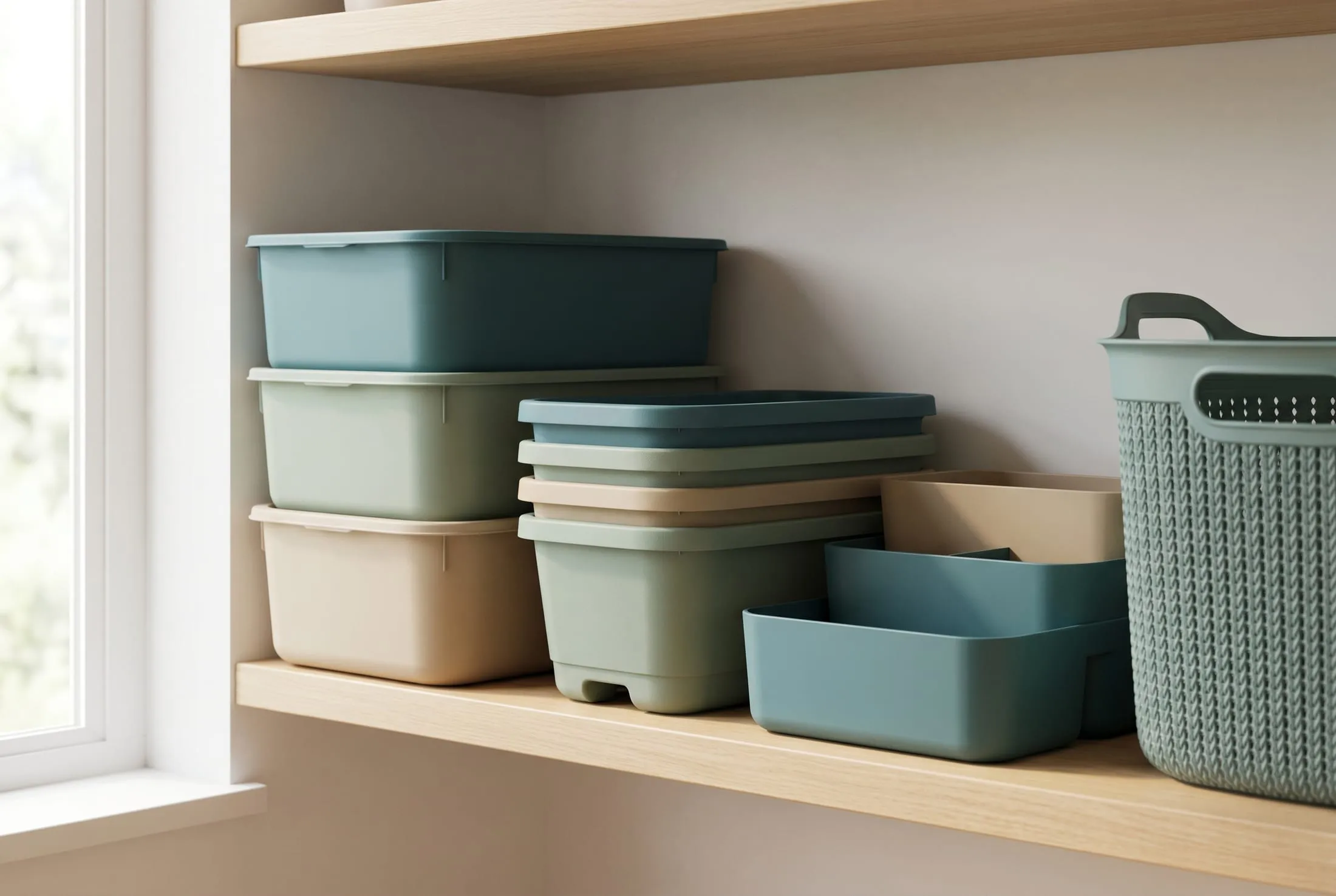
Homewares, garden, kids and storage products built to survive a retail returns policy and look good doing it.
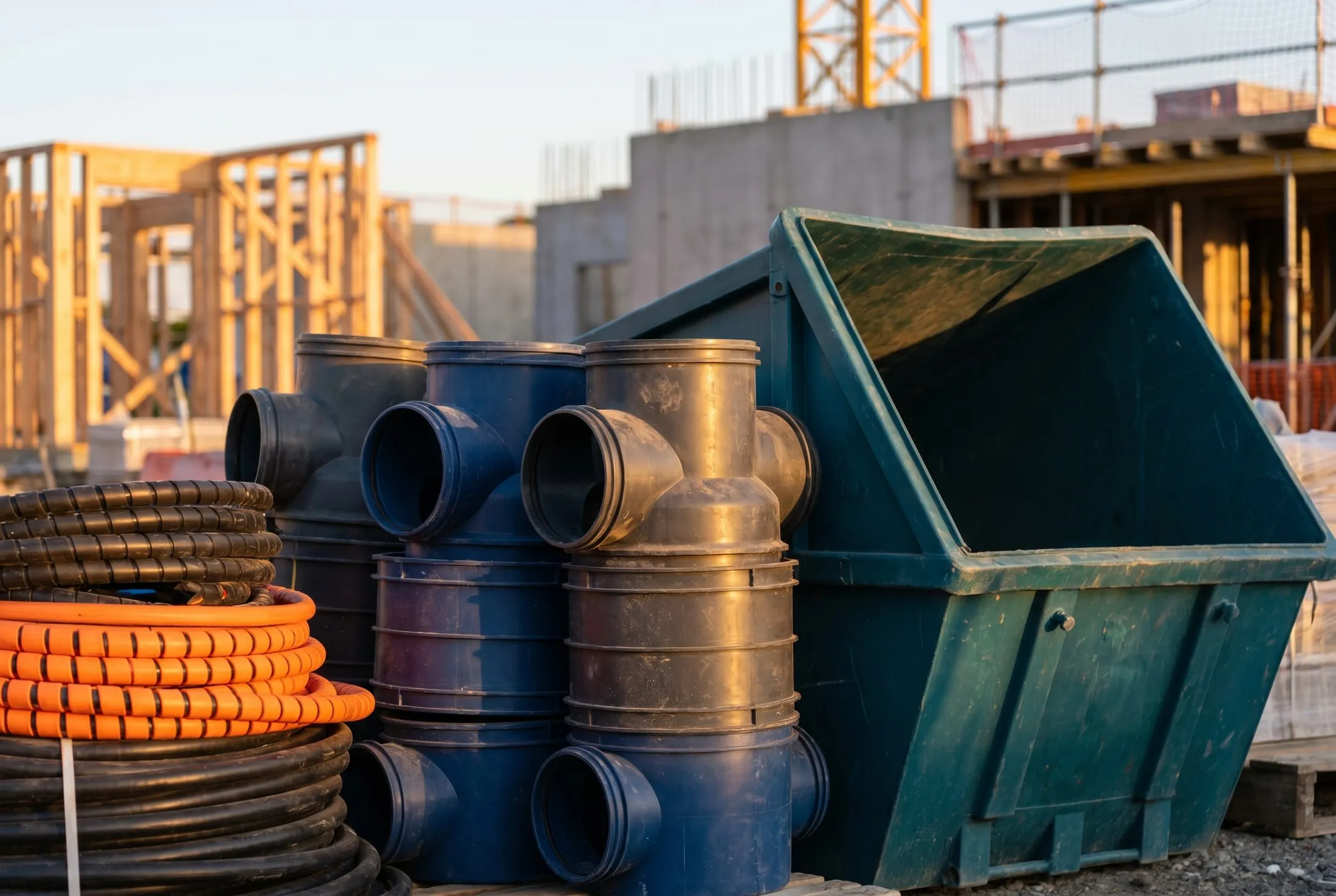
Fittings, fixtures and site products engineered to spec and made to pass inspection, batch after batch.
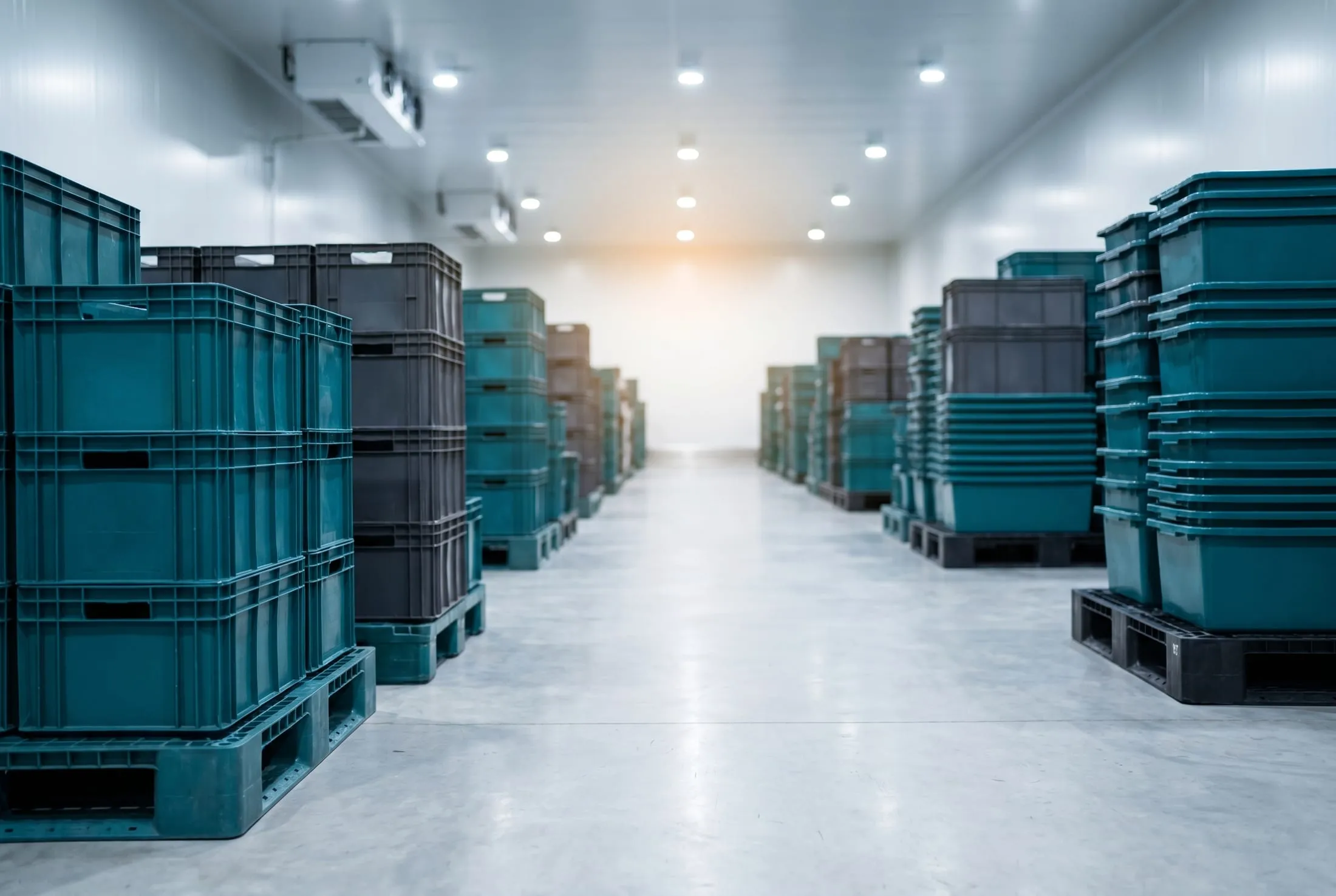
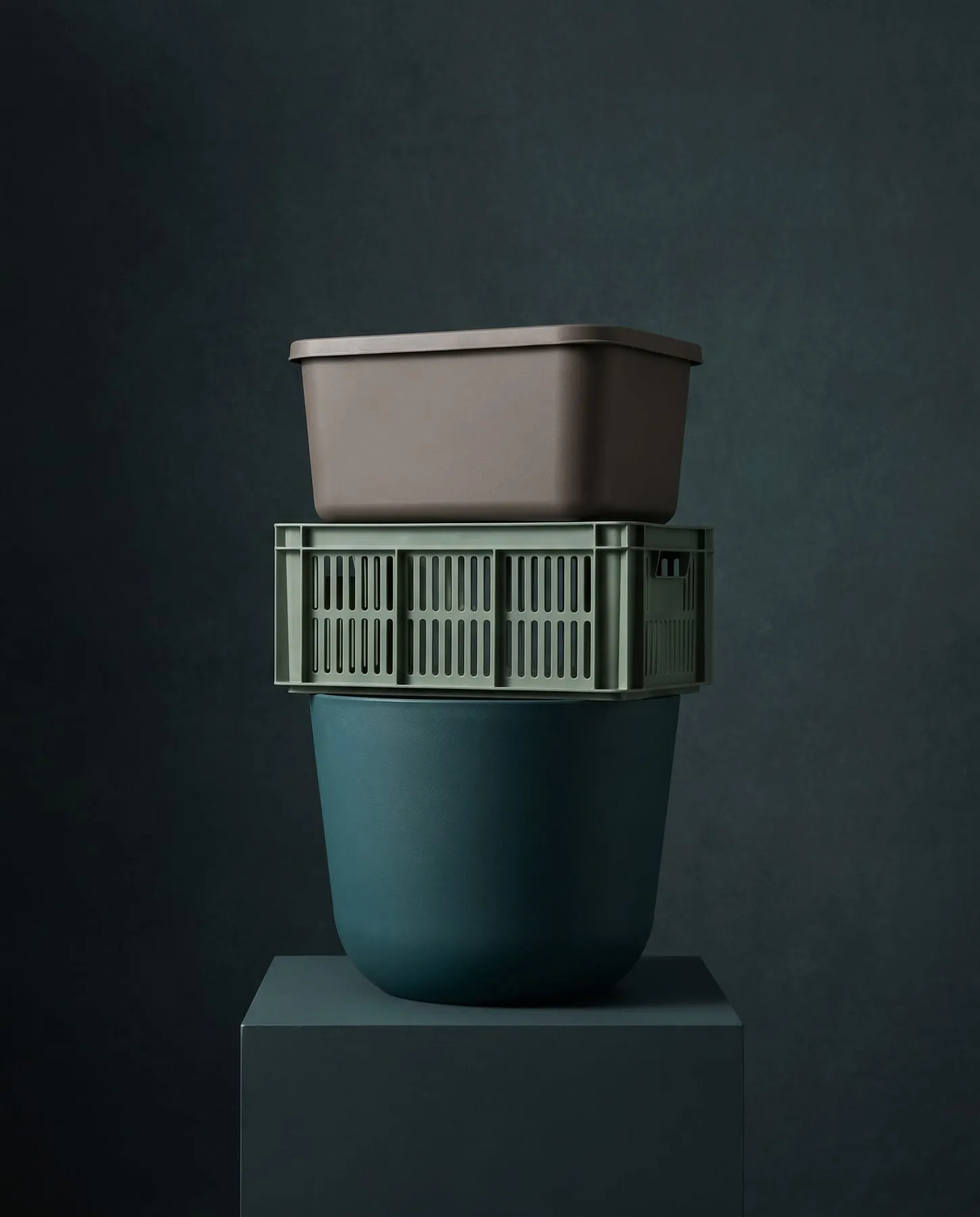
Crates, bins, tubs and pallets that take a beating on the floor and keep their shape for years.

Pots, planters and nursery products in UV-stable and recycled grades, made for the Australian sun.
Proof
On shelves in Australia's top retail chains
Trusted supplier to Woolworths, Mitre 10, Big W
Trusted supplier to Bunnings Warehouse Australia & New Zealand
How it works
Every stage happens on our floor, run by one team — so nothing falls through the cracks between a good idea and a finished product.
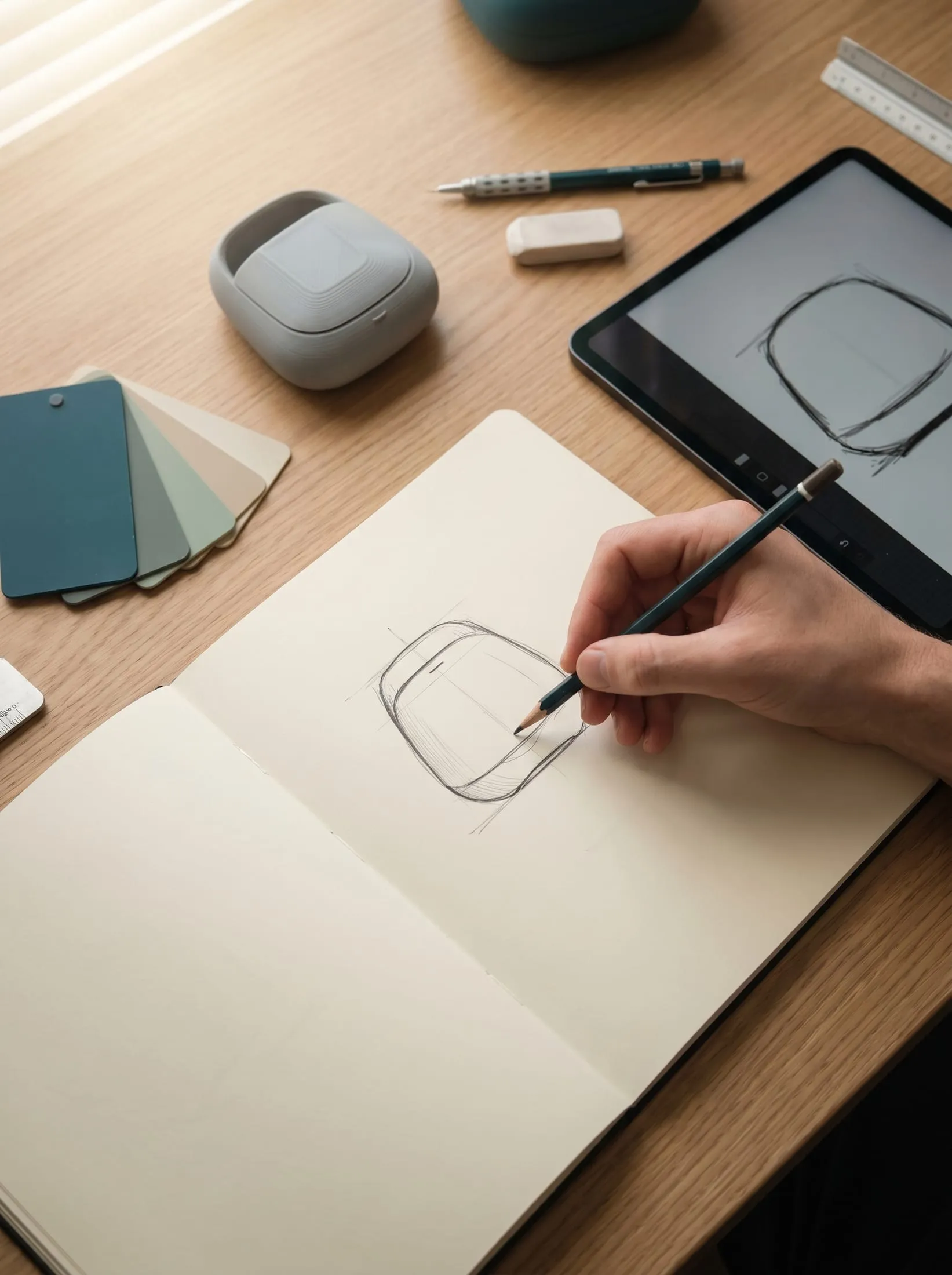
01 / 07
Bring us a sketch, a sample or a CAD file. We'll workshop geometry, materials and target cost until it's ready for engineering.
02 / 07
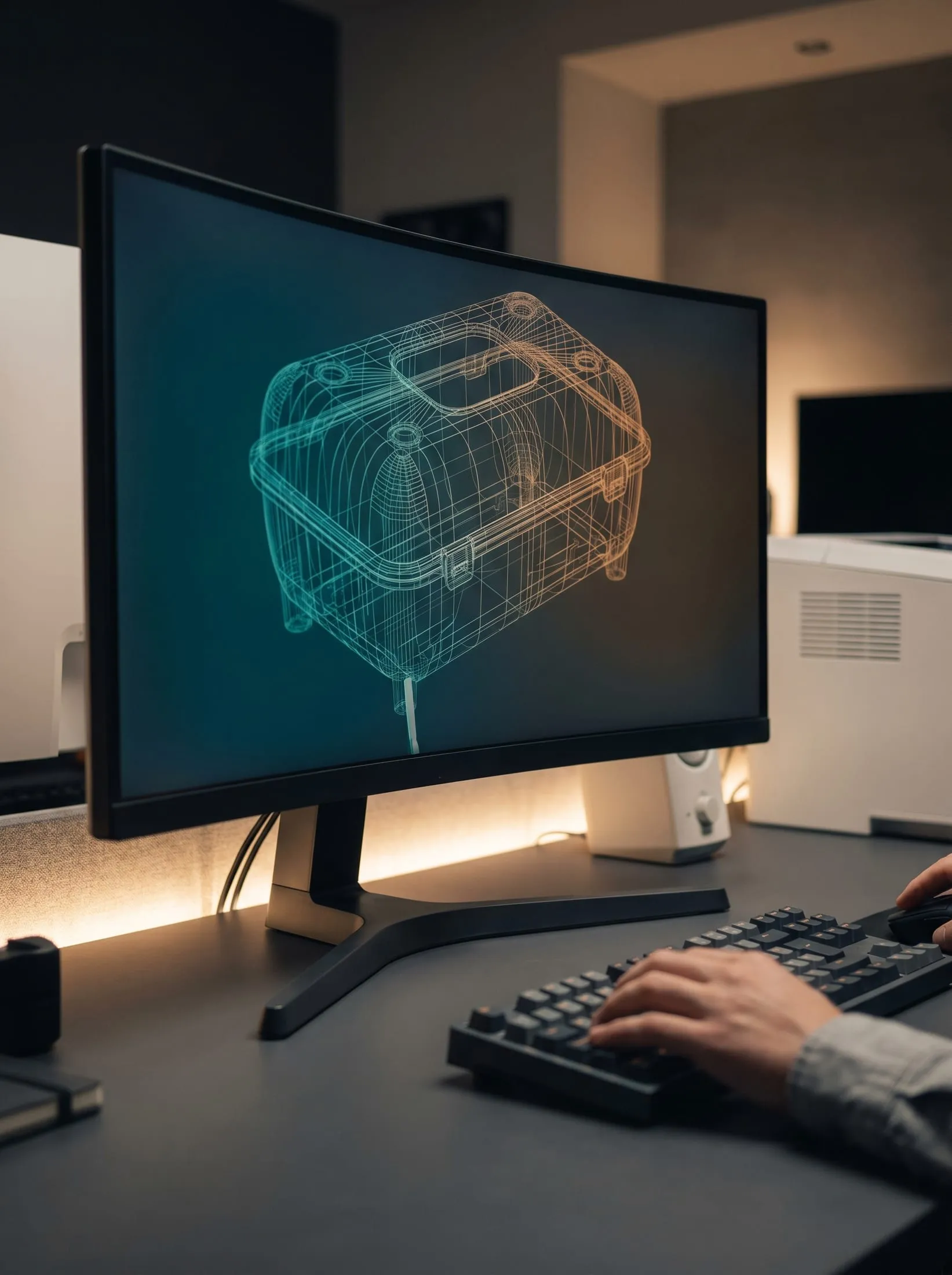
Design for manufacture, done properly — wall sections, draft, gates and mould-flow analysis before a dollar is spent on steel.
03 / 07
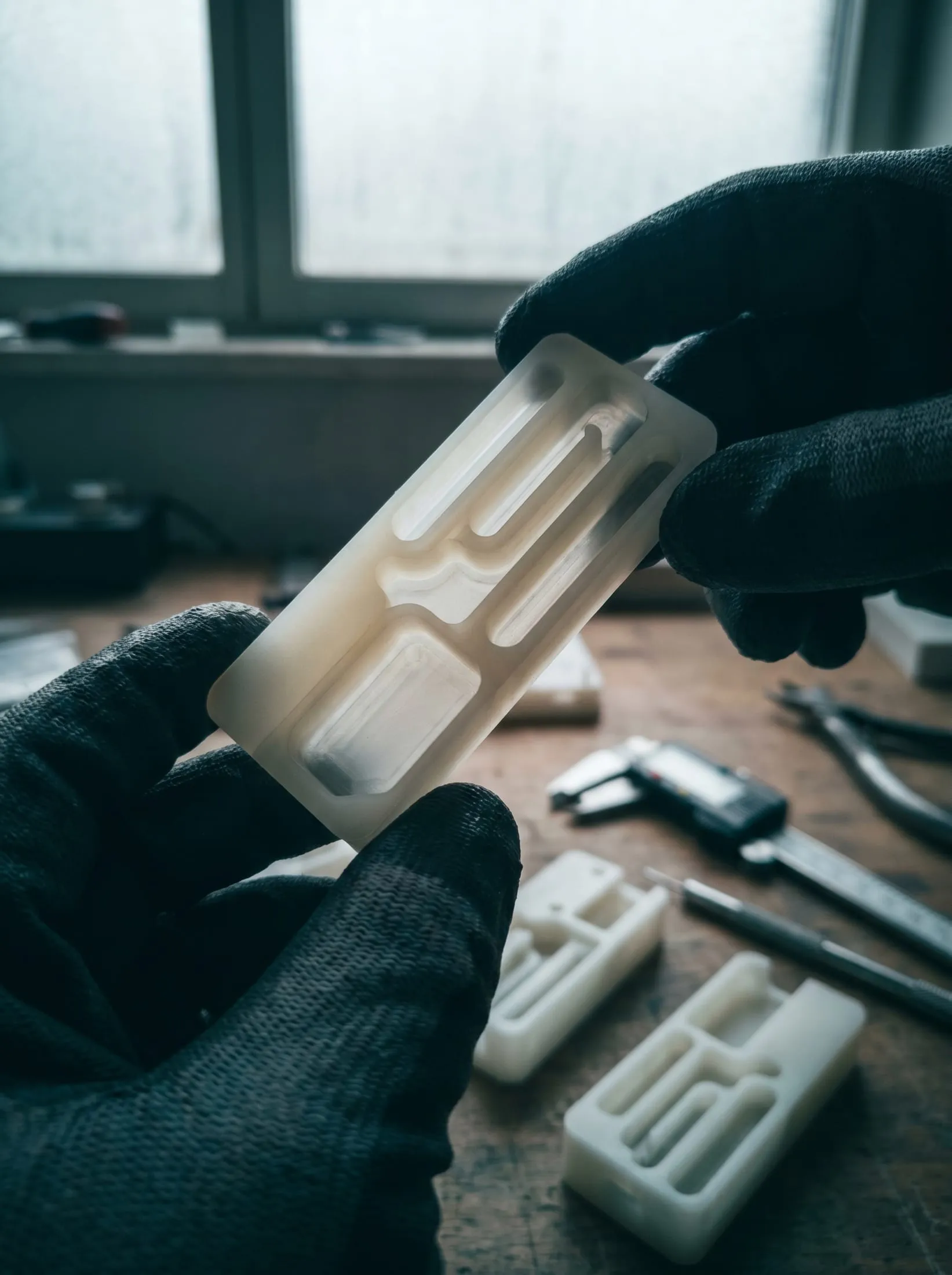
Hold it before you tool it. Machined and printed prototypes prove form, fit and function and de-risk what comes next.
04 / 07
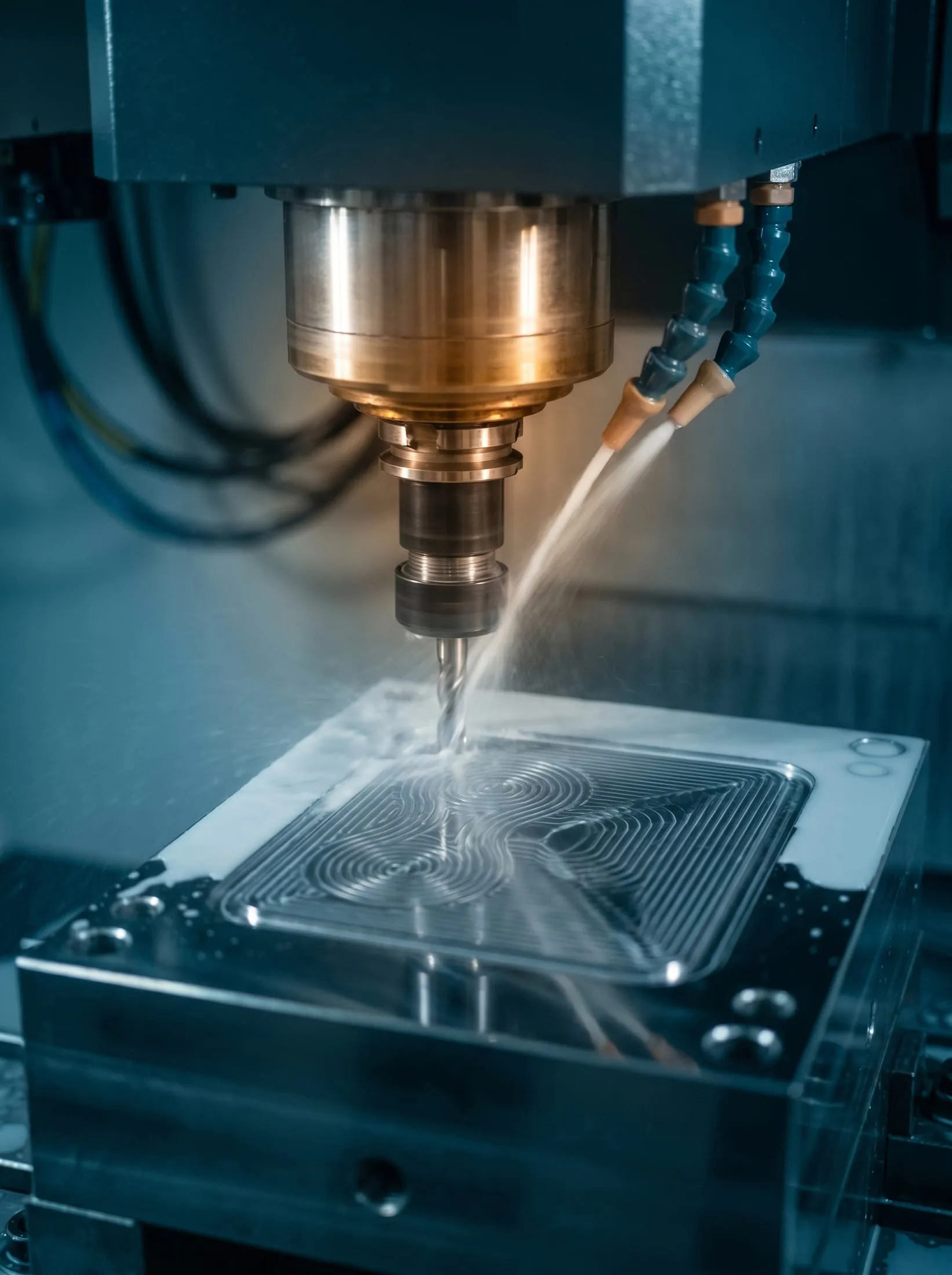
Our toolroom cuts production moulds from hardened steel — built for millions of cycles and maintained here for life.
05 / 07
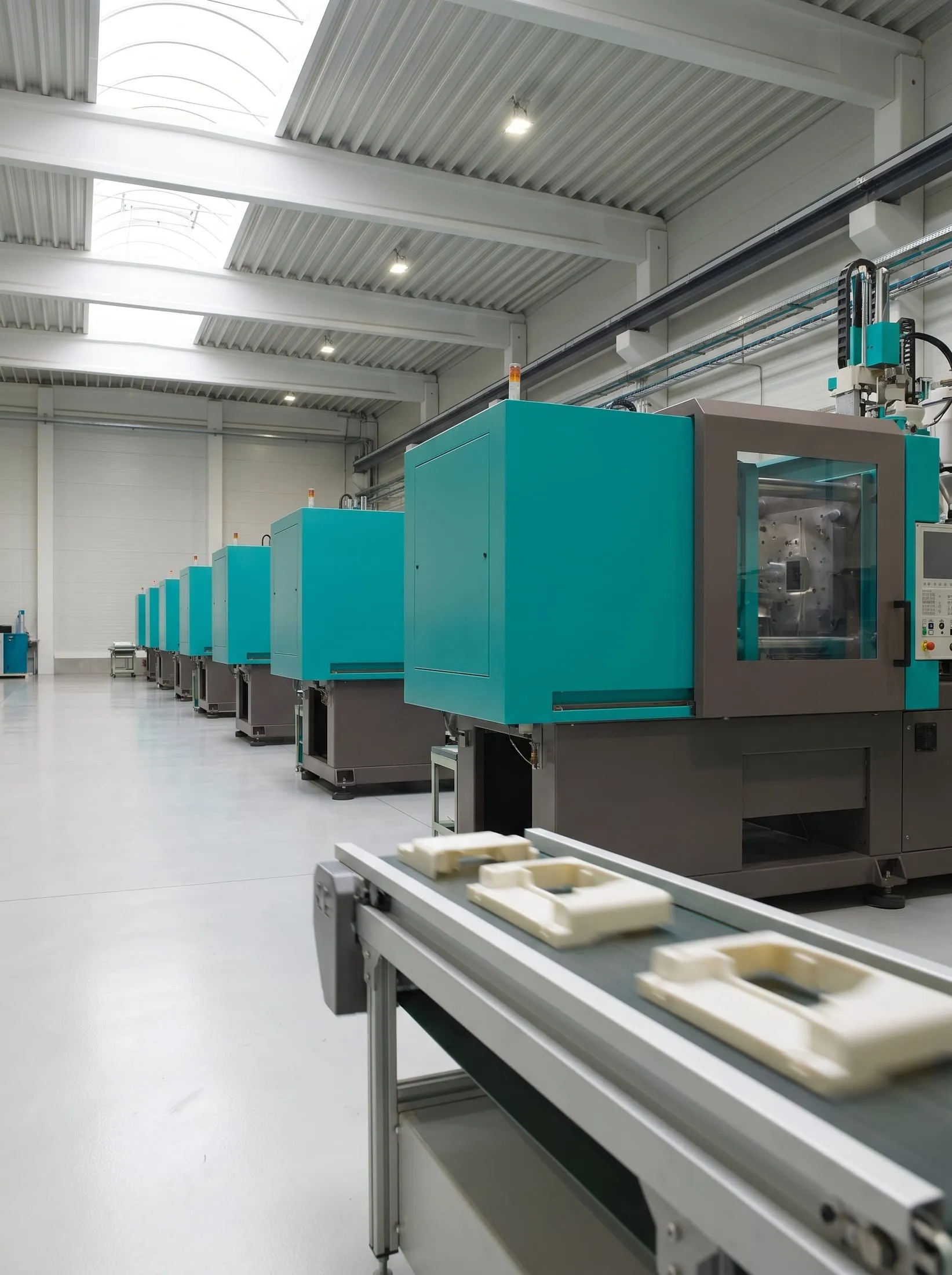
Our presses run recycled and virgin polymers around the clock, with process monitoring on every shot.
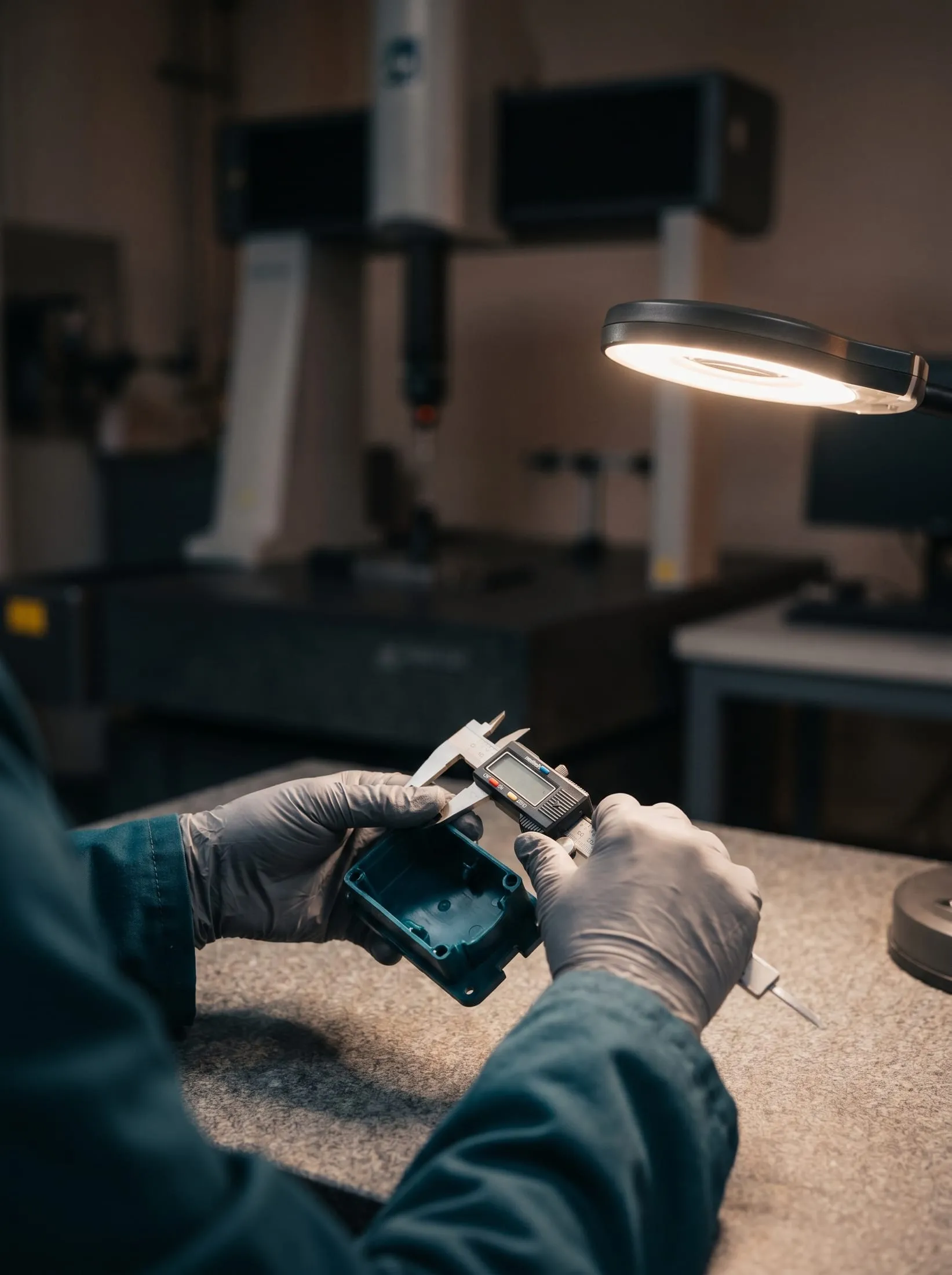
06 / 07
Every batch is measured, tested and signed off against your spec before it's allowed off the floor.
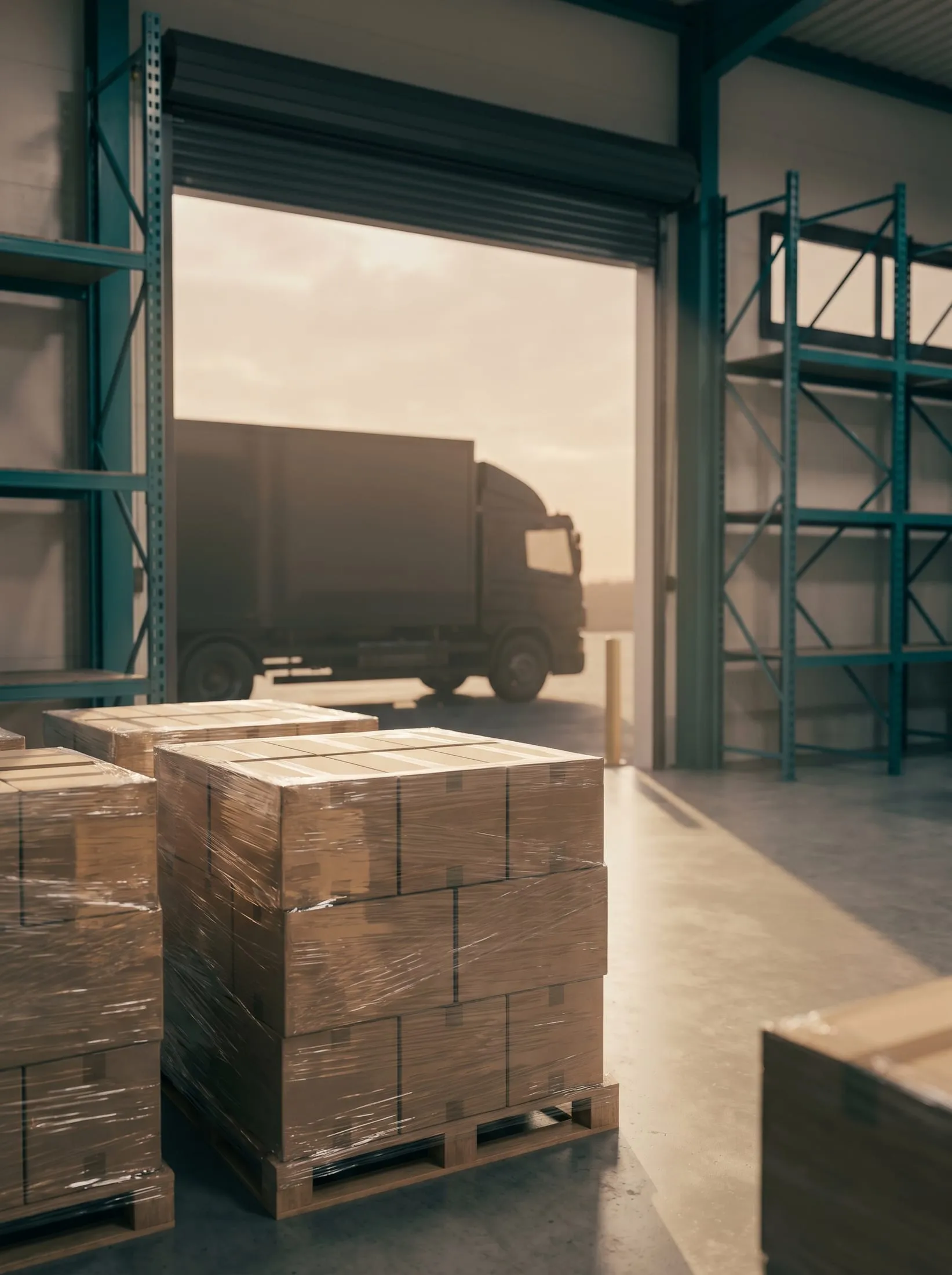
07 / 07
Warehoused, packed and delivered on your schedule — to your DC, your co-packer or shelf-ready.
Sustainability
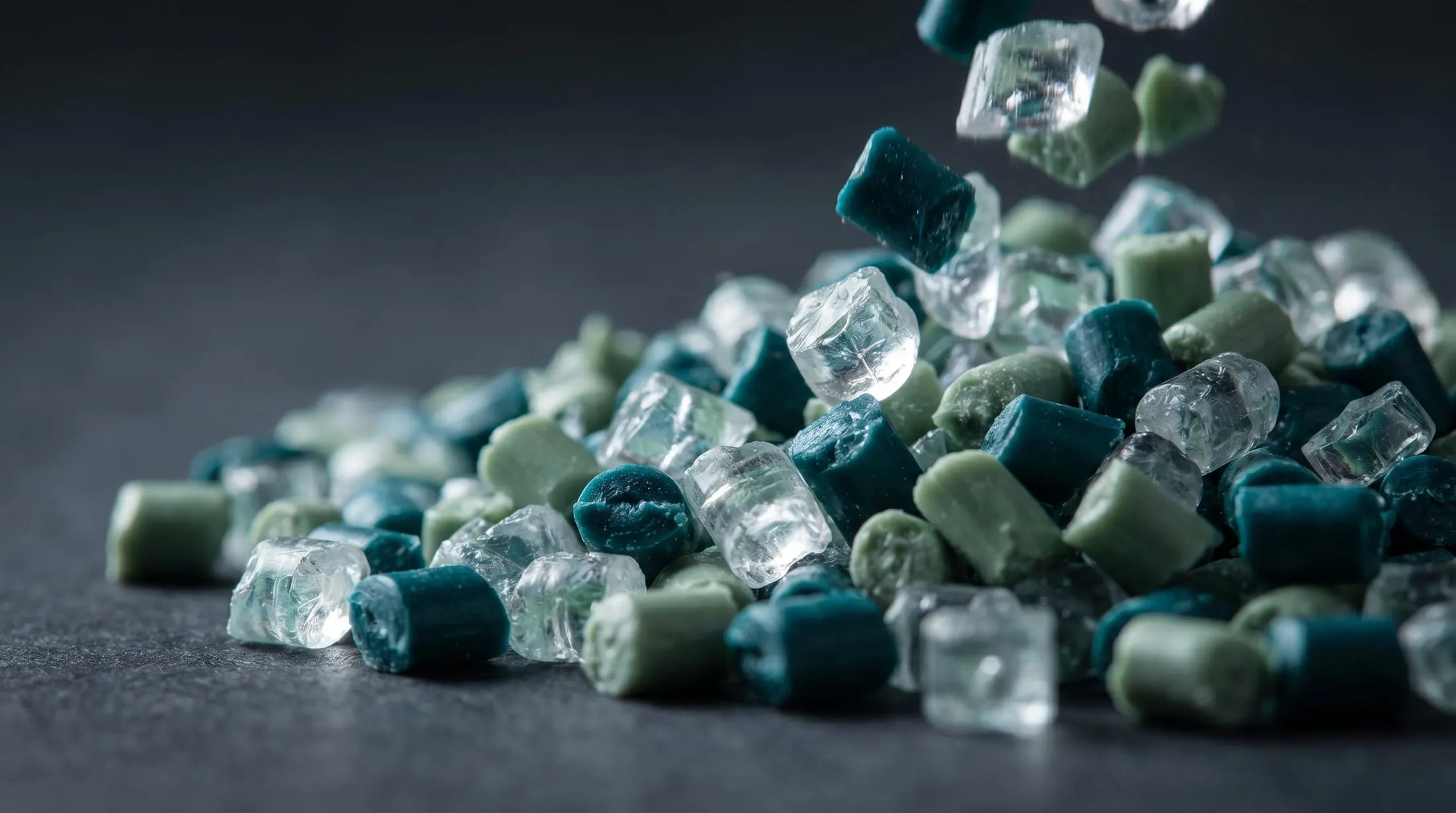
Plastic done right is durable, lightweight and endlessly remouldable. That's why recycled and recyclable polymers aren't a premium add-on here — they're how we work by default.
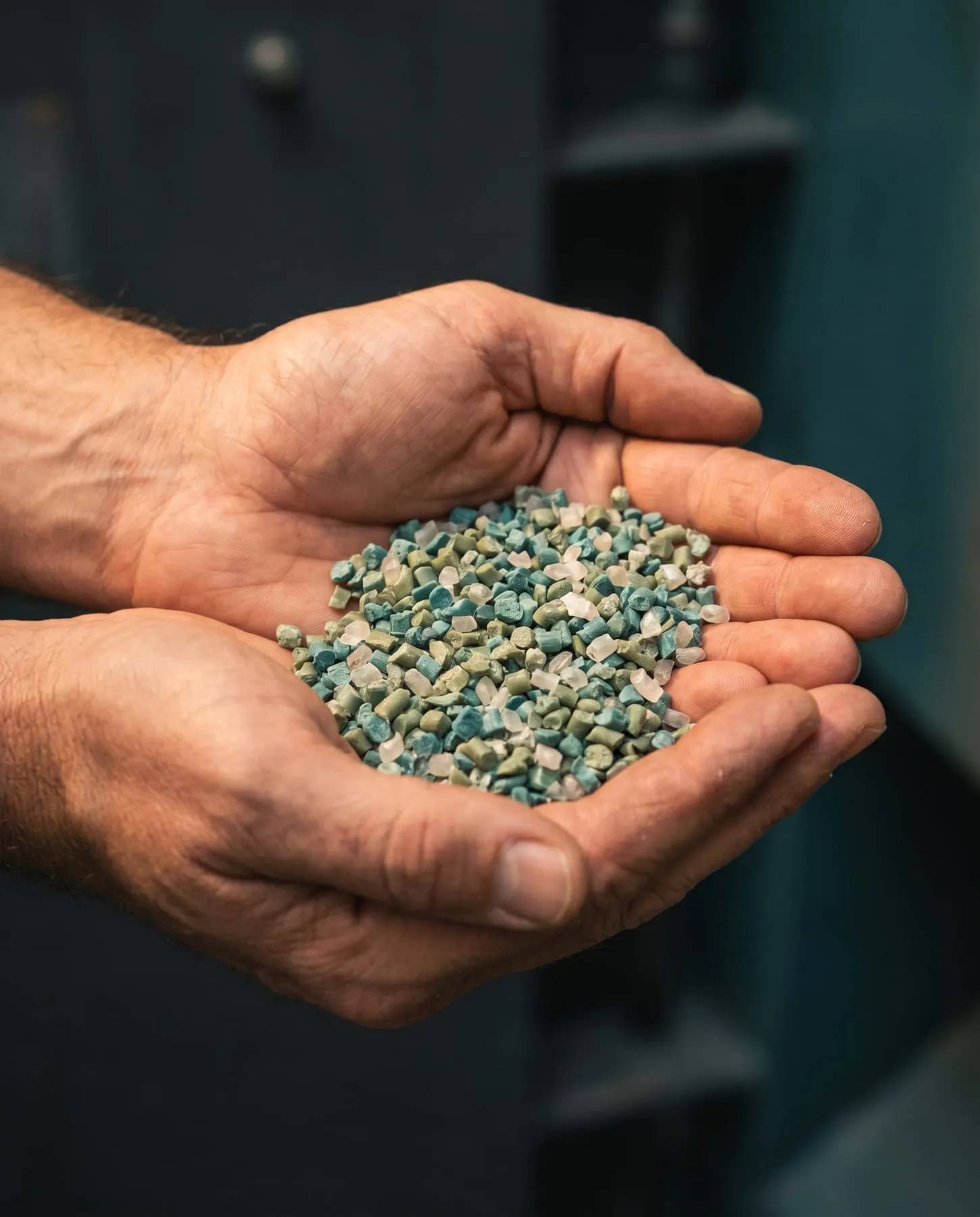
Post-consumer and post-industrial resins — rPP, rHDPE and PCR blends — qualified and batch-traced to retail-grade performance.
Sprues, runners and rejects are reground and sent back to the press. Our process waste becomes parts, not landfill.
Mono-material construction, recycling codes moulded in, and colourways chosen to keep polymer streams clean.
Good questions
It depends on part size and cavitation, but most programs start from 5,000–10,000 units. For high-volume retail programs we scale to millions of parts a year.
You do. We design, cut and maintain your moulds, but the asset is yours — documented, insured and stored on site at no charge while we're producing your parts.
Often closer than you'd think once freight, MOQs, holding costs and rework are counted. And you carry far less risk. We'll quote honestly and show you the real landed comparison.
It's our default. We run qualified rPP, rHDPE and PCR blends with full batch traceability, and we'll validate recycled options against your performance spec during development.
Typically 2–4 weeks for prototypes, 6–10 weeks for production tooling, and 2–3 weeks for repeat runs once your mould is on the floor.
A 3D CAD file (STEP or IGES) is ideal, but a 2D drawing, a physical sample or even a sketch is enough to start. An NDA first is standard practice.
Let's build something
Send it over and a real engineer will come back within two business days — with questions, options and honest numbers. No call-centre, no run-around.